

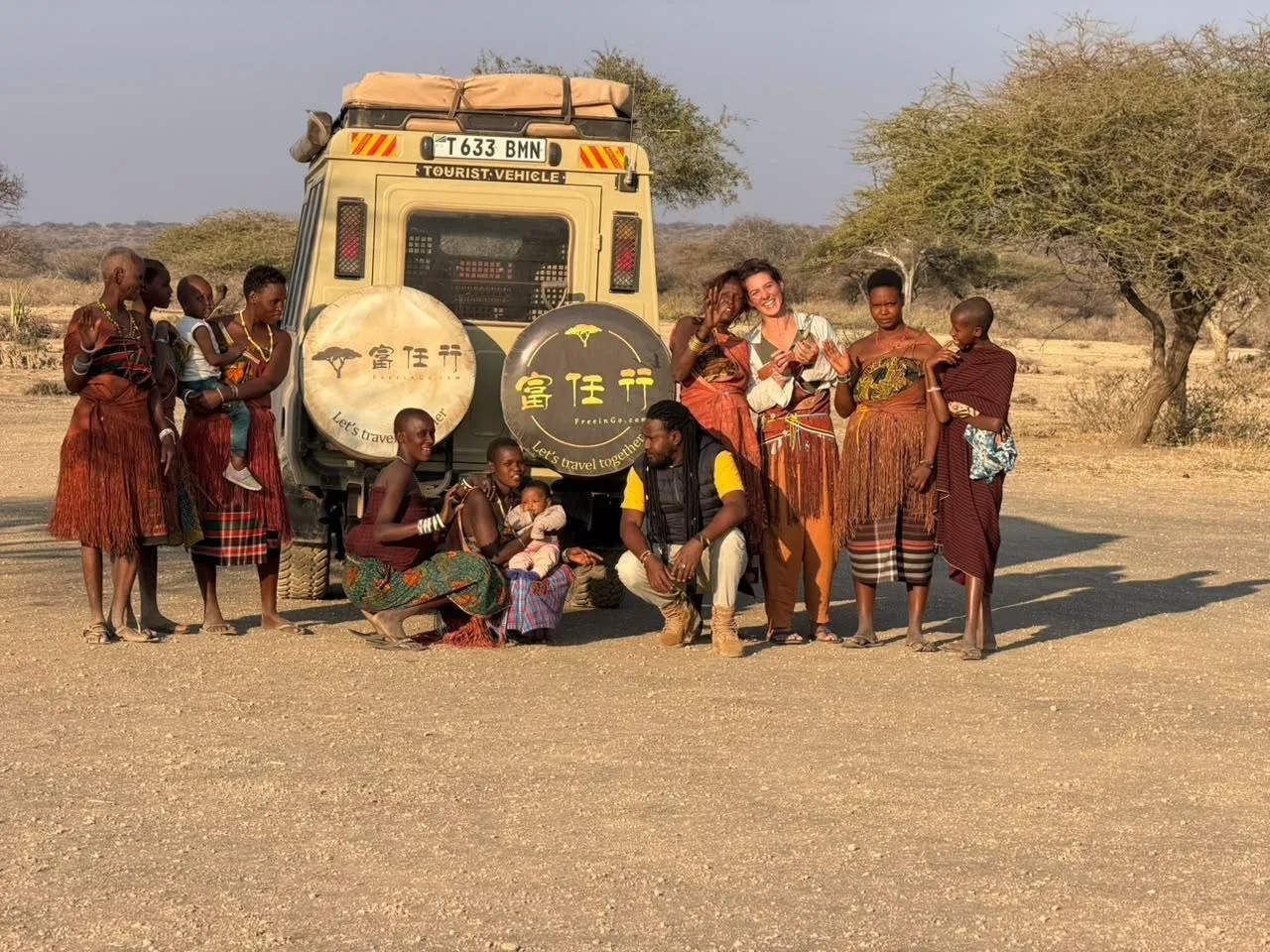
Tanzania is famous around the world for its spectacular wildlife. The Serengeti, Ngorongoro Crater, Tarangire, and other national parks attract travelers who dream of seeing lions, elephants, giraffes, zebras, wildebeest, and other wildlife in their natural environment.
But Tanzania is much more than its national parks.
Behind the famous safari landscapes are communities with their own languages, traditions, food, music, crafts, beliefs, and ways of life. More than 120 ethnic groups contribute to the country’s cultural diversity, making a visit to Tanzania an opportunity to discover not only its wildlife but also the people and traditions that make the country unique.
Adding a cultural experience to your safari allows you to see another side of Tanzania. Instead of spending the entire trip inside a safari vehicle, you can meet local communities, visit villages, learn about traditional lifestyles, taste local food, explore handmade crafts, and understand how people have lived alongside Tanzania’s landscapes for generations.
This is what makes a Tanzania Cultural Experience such a valuable addition to a safari.
Go Beyond the Safari Vehicle
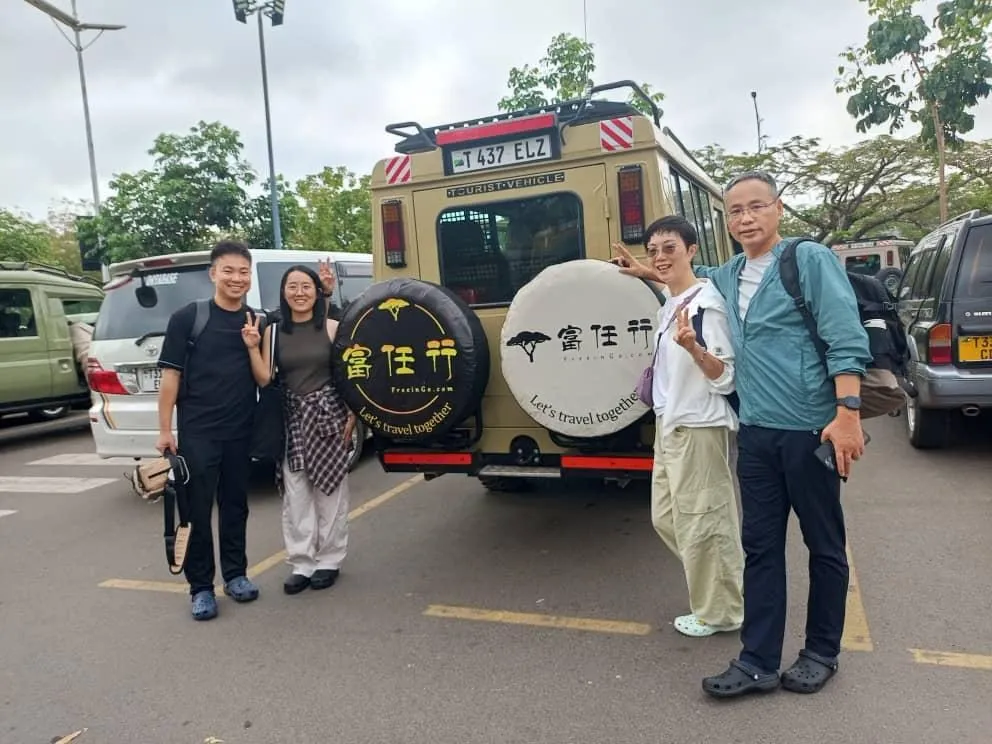
A game drive gives you an incredible view of Tanzania’s natural world.
You may spend the morning watching a pride of lions, follow elephants through the savannah, or stop to photograph giraffes against the horizon.
But when the game drive ends, another Tanzania is waiting.
You can visit a village, talk with local people, learn about traditional farming, watch artisans create handmade products, experience local music and dance, or discover how traditional foods are prepared.
These experiences create a connection with the country that wildlife viewing alone cannot provide.
Discover Tanzania’s Diverse Communities
One of the most interesting parts of Tanzania is its cultural diversity.
Different communities have developed their own traditions according to their history, environment, livelihoods, and location.
Among the communities travelers may learn about are the Maasai, Hadzabe, Datoga, Sukuma, Chagga, Makonde, Zaramo, and Haya. Each has its own cultural identity, traditions, and history.
This diversity means that there is no single experience that represents all of Tanzania.
A cultural journey can introduce you to different ways of life depending on where your safari takes you.
Experience a Maasai Village
A Maasai Village Experience in Tanzania is one of the most popular cultural activities to add to a northern Tanzania safari.
The Maasai are well known for their pastoral traditions, distinctive clothing, beadwork, music, dance, and strong community structures.
During a carefully arranged community visit, travelers may learn about traditional homes, livestock, crafts, ceremonies, and aspects of everyday life.
The experience can also provide a better understanding of how Maasai communities have adapted to modern life while maintaining important cultural traditions.
The most meaningful visits are based on respectful interaction rather than simply observing people as a tourist attraction.
Meet the Hadzabe Community
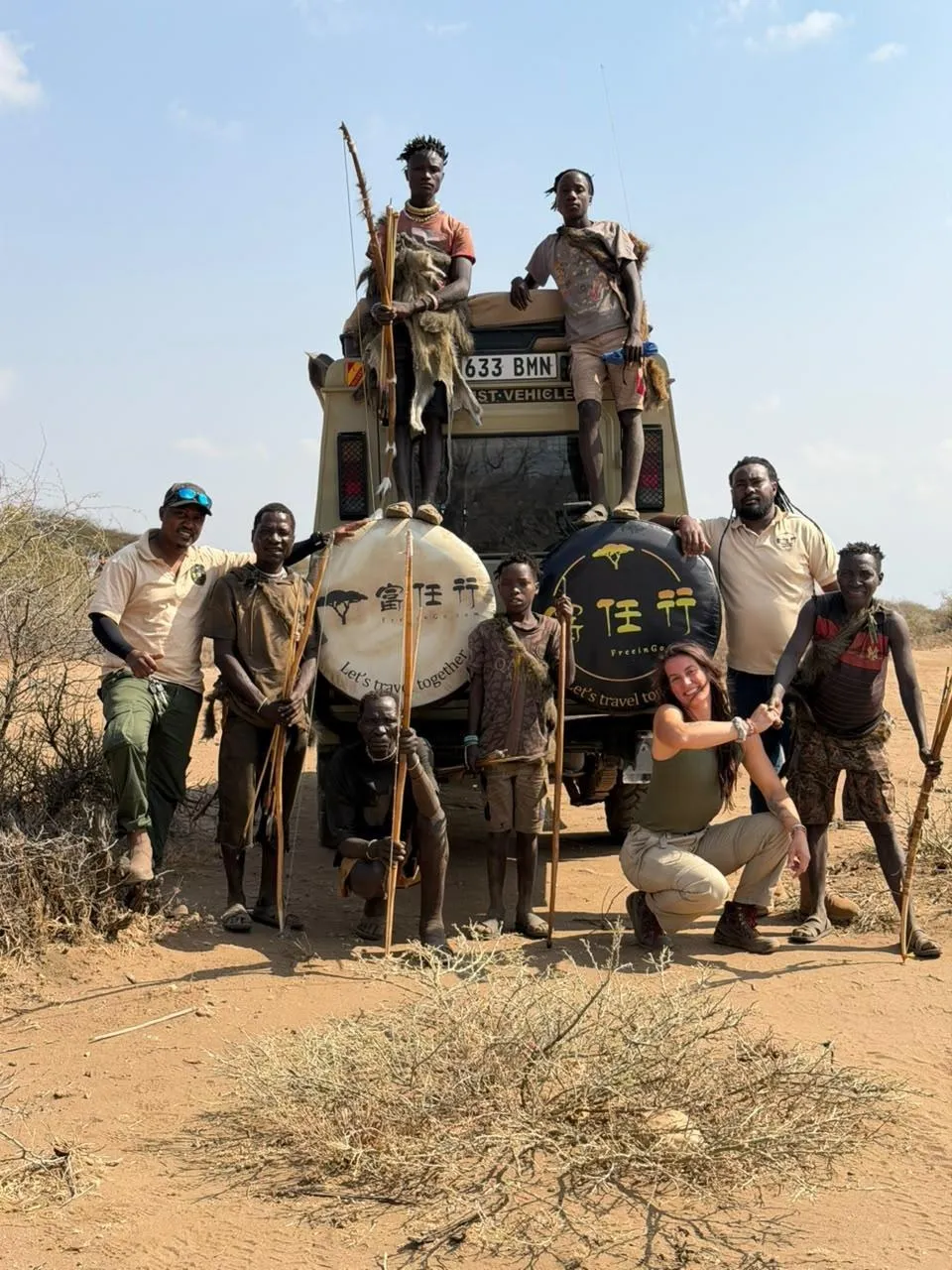
For travelers interested in traditional knowledge and the relationship between people and nature, the Hadzabe offer a fascinating cultural experience.
The Hadzabe live around the Lake Eyasi region and have maintained many traditional practices connected to hunting, gathering, local plants, and their surrounding environment.
A cultural visit can provide an opportunity to learn about their knowledge of the natural environment and understand a way of life that is very different from modern urban living.
It is an experience that can add an entirely different perspective to a Tanzania safari.
Discover the Datoga People
The Datoga community, also found around the Lake Eyasi area, is known for traditional metalworking and craftsmanship.
Meeting local artisans can provide an opportunity to see how traditional skills are practiced and passed between generations.
For travelers interested in history, craftsmanship, and traditional knowledge, this can be an especially interesting addition to a cultural itinerary.
Explore Chagga Culture Around Mount Kilimanjaro
Mount Kilimanjaro is not only a destination for mountain climbers.
The communities living around the mountain have their own agricultural traditions, food, history, and cultural heritage.
A visit around the Kilimanjaro region can introduce travelers to local farming practices and traditional ways of life. Coffee is particularly important in the area, making a local coffee experience another interesting way to understand the relationship between agriculture, community, and the mountain environment.
Combining a Kilimanjaro visit with cultural activities can therefore create a more complete experience of northern Tanzania.
Learn Through Tanzanian Food
Food is one of the easiest ways to connect with a culture.
Tanzanian cuisine reflects the country’s diverse communities and its long history of cultural exchange. Travelers can discover dishes based around rice, maize, beans, vegetables, meat, spices, and other locally available ingredients.
Coastal Tanzania and Zanzibar offer another dimension, with Swahili cuisine influenced by African, Indian, Arab, and Indian Ocean traditions.
Trying local food during a trip gives you another opportunity to understand Tanzania beyond its wildlife.
A visit to a local market, traditional kitchen, or community can make the experience even more memorable.
Discover Traditional Music and Dance
Music and dance are important parts of many Tanzanian communities.
Traditional performances can be connected to celebrations, ceremonies, storytelling, community gatherings, and social life.
Different communities have their own styles, rhythms, instruments, and dances.
Rather than simply watching a performance, travelers can learn about the meaning behind the music and understand why it remains important to the community.
Explore Traditional Arts and Crafts
Tanzania also has a rich tradition of handmade crafts.
Visitors may encounter beadwork, baskets, textiles, paintings, wood carvings, jewelry, and other locally produced items.
The Makonde people, for example, are particularly recognized for their wood carving traditions. Their work can reflect cultural stories, everyday life, family relationships, and spiritual themes.
Buying directly from local artisans can also provide a way to support community-based tourism and take home something connected to the place you visited.
Visit Local Markets and Villages
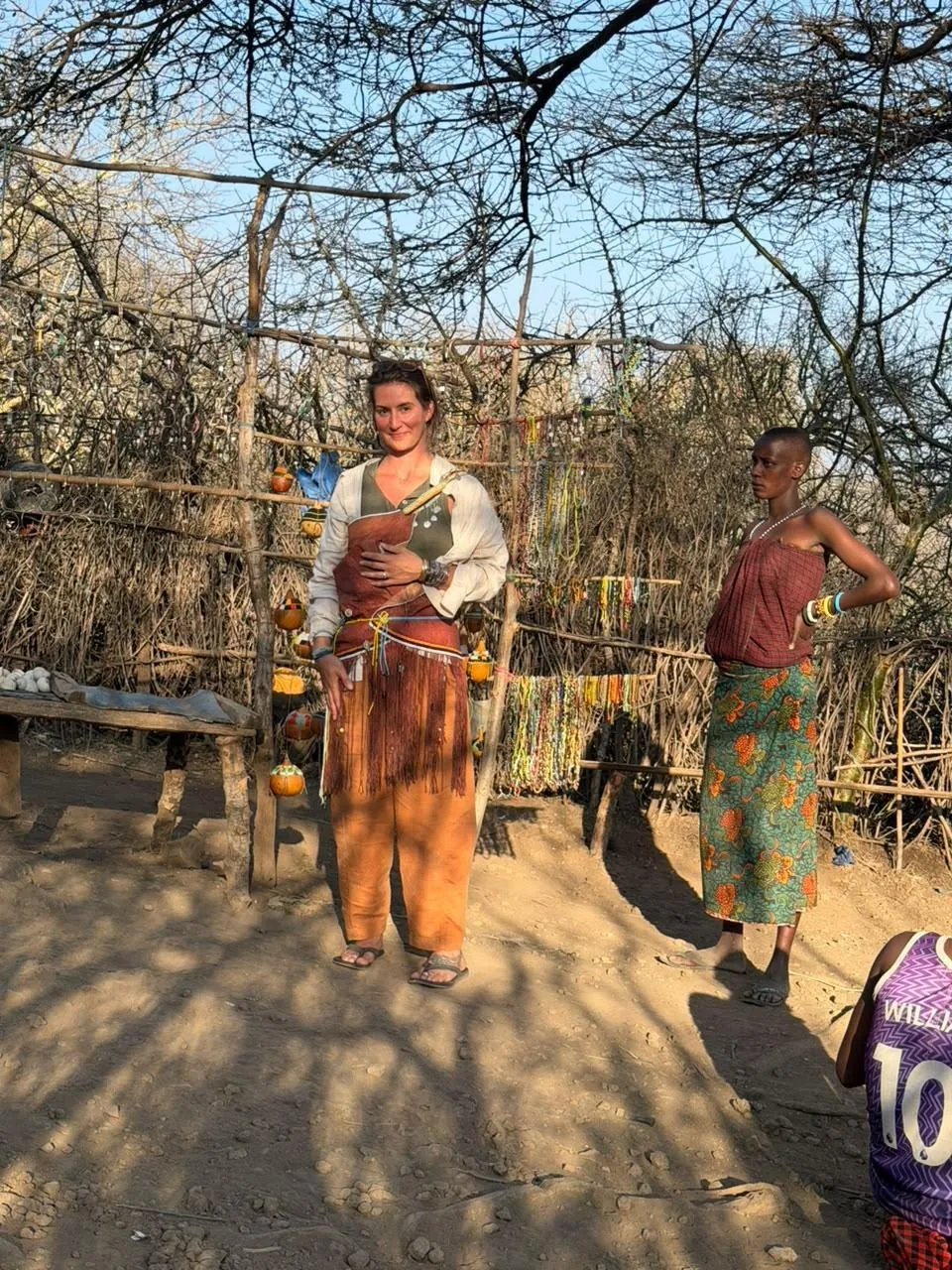
Markets provide another interesting window into everyday Tanzanian life.
A local market can introduce you to fresh produce, spices, clothing, handmade products, household goods, and foods that are part of everyday life.
Walking through a village with a local guide can also show you aspects of Tanzania that are easy to miss when travelling only between airports, lodges, and national parks.
You may see farms, schools, homes, workshops, livestock, and community spaces.
These ordinary details can sometimes become some of the most interesting memories from a trip.
Combine Wildlife and Culture
You do not have to choose between a safari and a cultural holiday.
A Tanzania Safari and Cultural Tour can bring both experiences together in one itinerary.
You could begin with game drives in the Serengeti, explore the Ngorongoro area, continue to a local community, and then discover traditional food, crafts, music, or village life.
This creates a more complete picture of Tanzania.
The safari introduces you to the country’s extraordinary wildlife and landscapes.
The cultural experience introduces you to the people living within and around those landscapes.
Why Cultural Experiences Make a Safari More Meaningful
Wildlife encounters can be spectacular, but cultural experiences give context to the country you are visiting.
When you understand local communities, traditions, food, and history, the landscape can feel different.
The mountains are no longer simply mountains.
The villages are no longer simply places you drive past.
The food is no longer simply a meal.
You begin to understand the people and history connected to the places you are exploring.
That is one of the biggest reasons to include cultural activities in your itinerary.
Choose Responsible Cultural Tourism
A cultural visit should always be based on respect.
When visiting a community, ask before taking photographs, follow local guidance, dress appropriately, and remember that you are visiting people’s homes and communities.
It is also valuable to choose operators that work respectfully with local communities and support responsible tourism.
Freeingo Safaris highlights community-based cultural experiences and responsible tourism, with an emphasis on connecting travelers with Tanzania’s communities and traditions while supporting local communities and environmental sustainability.
How to Plan Tanzania Cultural Tours
When planning Tanzania Cultural Tours, first decide what interests you most.
If you are interested in traditional pastoral communities, a Maasai village visit may be suitable.
If you are interested in traditional knowledge and nature, the Lake Eyasi region can offer opportunities to learn about the Hadzabe and Datoga communities.
If you are interested in agriculture and mountain culture, the areas around Mount Kilimanjaro can provide a different experience.
If food and history interest you, coastal Tanzania and Zanzibar offer another side of Tanzanian culture.
The important thing is to choose experiences that genuinely match your interests rather than adding cultural activities simply to fill the itinerary.
Looking for a Trusted Cultural Safari Operator in Tanzania?
Choosing the right operator is important when arranging cultural experiences because the quality of the experience depends heavily on how the visit is organized.
Freeingo Safaris offers Tanzania cultural experiences that can be combined with wildlife safaris, mountain adventures, and beach holidays. Their cultural options include opportunities to learn about local communities, traditions, crafts, food, music, and everyday life.
If you are looking for a trusted tour operator in Tanzania, Freeingo Safaris can help create a customized itinerary that combines the experiences you want.
Whether you are interested in a Maasai Village Experience in Tanzania, a cultural visit around Lake Eyasi, local food and traditions, or a complete Tanzania Safari and Cultural Tour, the itinerary can be designed around your interests.
The company also emphasizes knowledgeable guides, comfortable accommodation, reliable transportation, and tailor-made travel arrangements.
Create Your Own Tanzania Cultural Experience
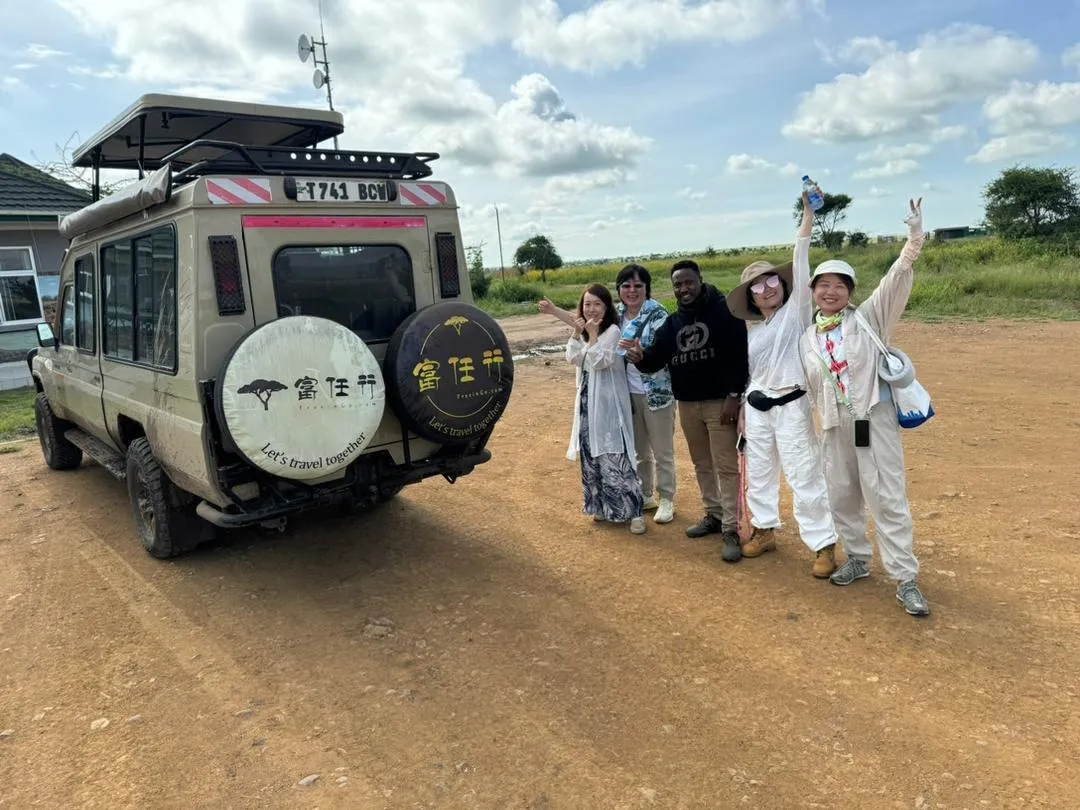
The best cultural journey does not have to be complicated.
You might spend a few hours visiting a local community during your safari. You could add a village experience between two national parks. You could spend a day learning about coffee near Kilimanjaro or explore local food and history in another part of the country.
Even a short cultural experience can add another dimension to your trip.
Instead of returning home having only seen Tanzania’s famous wildlife, you can return with stories about the people you met, food you tasted, crafts you discovered, and traditions you learned about.
Experience the Tanzania Beyond the Safari
A Tanzania safari can introduce you to some of the most extraordinary wildlife on Earth.
But a cultural experience allows you to discover the country behind the wildlife.
Meet local communities. Learn about traditions. Taste Tanzanian food. Discover handmade crafts. Listen to music and stories. Walk through villages. Learn about traditional lifestyles and the changes taking place in modern Tanzania.
When wildlife and culture are combined, the result is a much richer journey.
If you are planning Tanzania Cultural Tours, a Tanzania Cultural Experience, or a Tanzania Safari and Cultural Tour, consider adding a cultural activity to your itinerary with a trusted local operator such as Freeingo Safaris.
And if meeting the Maasai is one of your priorities, a Maasai Village Experience in Tanzania can be an unforgettable way to see another side of this remarkable country.
Tanzania is not only a place to watch wildlife.
It is a place to meet people, discover traditions, understand history, taste new flavors, and experience a culture that is as diverse and fascinating as its landscapes.
